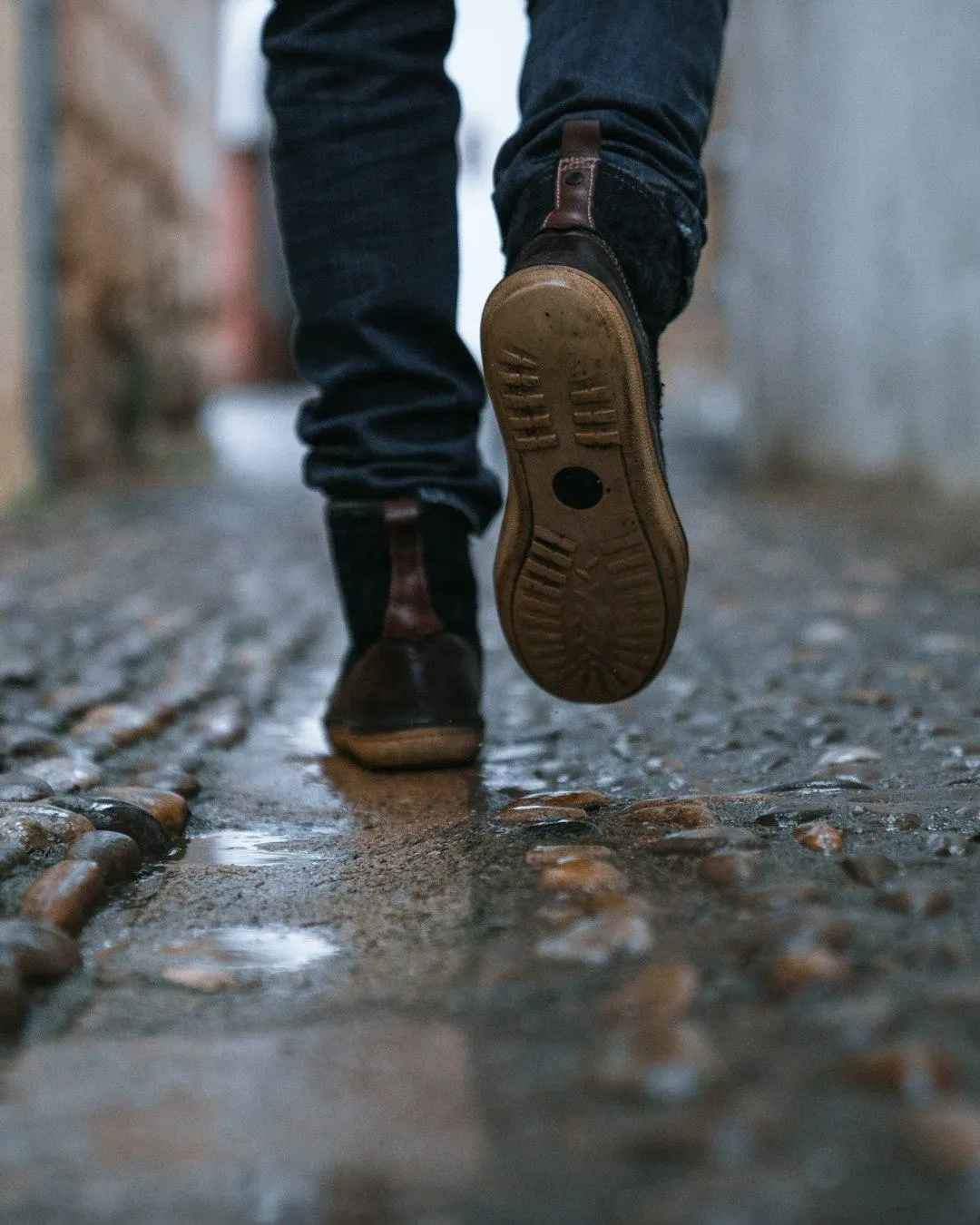
Why I Choose to Walk
Walking is one of the simplest habits in my life.
But it’s also one of the most meaningful.
I don’t walk because it’s trendy.
I walk because it’s one of the most powerful health practices available to us—and because I know there may come a day when I no longer have the ability to do it.
That thought alone changes how I view every step.
Walking Is a Privilege
Most of us take walking for granted.
We assume our legs will always carry us where we want to go. We assume our bodies will keep cooperating. But if you spend any time around people dealing with illness, injury, or aging, you quickly realize something important:
Walking is not guaranteed.
At some point in life, many people lose that ability—whether temporarily or permanently.
That realization has shifted my mindset.
Every time I go for a walk, I see it as a privilege.
Not an obligation.
Not a chore.
A privilege.
The Health Benefits Are Hard to Ignore
The research on walking is overwhelming.
Regular walking has been shown to:
Improve cardiovascular health
Reduce the risk of diabetes and metabolic disease
Support weight management
Improve mood and mental clarity
Reduce stress and anxiety
Improve sleep quality
Support longevity
But beyond the science, walking simply makes me feel better.
It gives me time to think.
It helps clear my mind.
It reconnects me with my body.
In many ways, it’s one of the simplest forms of self-care.
Movement Before Motivation
One of the things I talk about often in High Performance Living is the idea that movement comes before motivation.
We tend to wait until we feel motivated to exercise.
But walking flips that script.
You don’t need a gym.
You don’t need special equipment.
You don’t need perfect conditions.
You just start walking.
And almost every time, motivation follows.
Small Choices Add Up
The biggest mistake people make is thinking walking only counts if it’s a formal workout.
That’s not how I look at it.
I look for opportunities throughout the day to add steps.
Here are some simple ways anyone can do the same:
Park farther away
Choose the parking spot that forces you to walk a little more.
Take the stairs
Skip the elevator whenever possible.
Walk during phone calls
Instead of sitting, get up and move.
Short walks after meals
Even 5–10 minutes can help digestion and blood sugar.
Walk meetings
Some of the best conversations happen when people are moving.
Add a morning or evening walk
Even 15–20 minutes can make a difference.
These small decisions might not seem like much in the moment.
But they compound over time.
A Daily Reminder
Every walk is a reminder for me.
A reminder that my body still works.
A reminder that movement is a gift.
A reminder that taking care of my health today will shape the years ahead.
Someday, I may not have this opportunity.
And when that day comes, I want to know I used it well while I could.
So I walk.
Not because I have to.
Because I get to!
Additional High Perfomance insights available at High Performance Living at Amazon https://a.co/d/003MyoNB