Defining High Performance Matters
Why I Started High Performance Living by Defining High Performance
When people hear the term high performance, most of them picture something extreme.
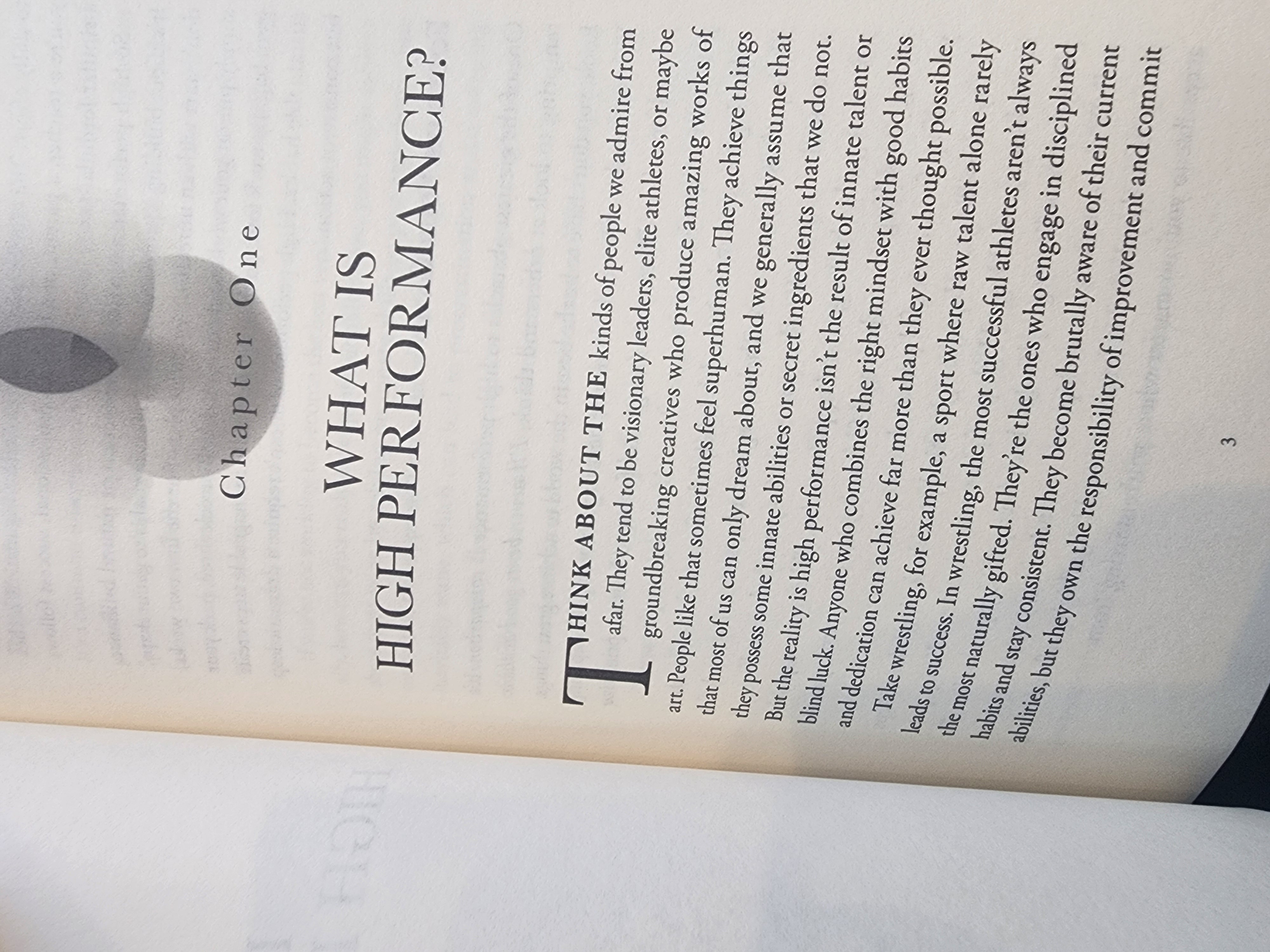
Elite athletes. High-level executives. People who thrive on pressure, sleep less than they should, and are constantly chasing the next result. For many, the phrase feels intimidating—or worse, unattainable. And that’s exactly why I chose “What Is High Performance?” as the first chapter of High Performance Living.
Before I could ask anyone to pursue high performance, I needed to redefine it.
High Performance Is Not About Being Elite
One of my strongest motivations for writing this book was to challenge the belief that high performance is reserved for a select few.
I’ve spent my life around high achievers—athletes, coaches, officials, leaders, and professionals in demanding environments. What I’ve learned is this:
High performance is not about being the best in the world.
It’s about being intentional in how you live.
High performance doesn’t require a podium, a title, or public recognition. It shows up in everyday decisions—how you take care of your body, how you manage your energy, how you show up in relationships, and how you respond when things don’t go as planned.
It’s available to anyone willing to be honest with themselves and intentional with their choices.
Why Definitions Matter
If we don’t define something clearly, we tend to inherit definitions that don’t actually serve us.
In coaching, I’ve seen too many people operate under a version of high performance that sounds like:
doing more,
pushing harder,
never slowing down,
or sacrificing health and relationships for short-term results.
That approach might work temporarily—but it’s rarely sustainable.
That’s why Chapter One slows things down. It asks a simple but powerful question:
What does high performance actually mean for you?
Not what social media promotes.
Not what your profession demands.
Not what you were capable of ten years ago.
But what it means right now, in the season of life you’re in.
High Performance Is Contextual
One of the most important ideas in the opening chapter is that high performance is contextual.
What it looks like for a young athlete is different than what it looks like for a parent, a coach, or someone navigating career transitions or health challenges. High performance evolves as responsibilities change—and recognizing that isn’t quitting or settling. It’s growth.
When people stop chasing someone else’s version of high performance, they often rediscover clarity, consistency, and purpose.
The Foundation for Everything That Follows
The rest of High Performance Living is built around the AOC Model—Awareness, Ownership, and Commitment. But none of those ideas work unless we’re clear on what we’re actually committing to.
Awareness starts with understanding where you are and what matters most.
Ownership means taking responsibility for what’s in your control—and letting go of what’s not.
Commitment only becomes powerful when it’s aligned with realistic expectations and personal values.
Without a healthy definition of high performance, commitment turns into burnout, ownership becomes self-criticism, and awareness gets distorted by comparison.
I’ve seen that pattern far too often, especially in high-pressure environments.
High Performance Is a Lifestyle, Not a Moment
Another reason I began the book here is because I don’t believe high performance is something you turn on and off.
It’s not a single achievement, a short season of intensity, or a highlight moment.
High performance is a lifestyle—built through small, consistent choices:
how you move,
how you recover,
how you manage stress,
and how you realign when life pulls you off course.
It’s less about perfection and more about direction.
Why This Chapter Matters to Me
This chapter isn’t theoretical—it’s personal.
My understanding of high performance has been shaped over decades through sport, coaching, officiating, leadership, and life itself. I’ve experienced the cost of chasing outcomes without a foundation, and I’ve seen the power of sustainable, values-based performance.
Starting the book here was intentional. It was my way of saying:
Before we go any further, let’s pause and make sure we’re aiming at the right thing.
Available on Amazon https://a.co/d/iG2tTGy